
Port 25 failure during a DNS cutover: inbound runbook
When port 25 fails during a DNS cutover, find the earliest broken hop—DNS, firewall, listener, or greylist—then roll back MX safely.
Read guide
Editorial
Showing 100–108 of 109
When port 25 fails during a DNS cutover, find the earliest broken hop—DNS, firewall, listener, or greylist—then roll back MX safely.
Read guide
After an inbound MX migration, stale DNS caches can send mail to the old host—verify TTL, dig from multiple resolvers, and roll back only with measured signals.
Read guide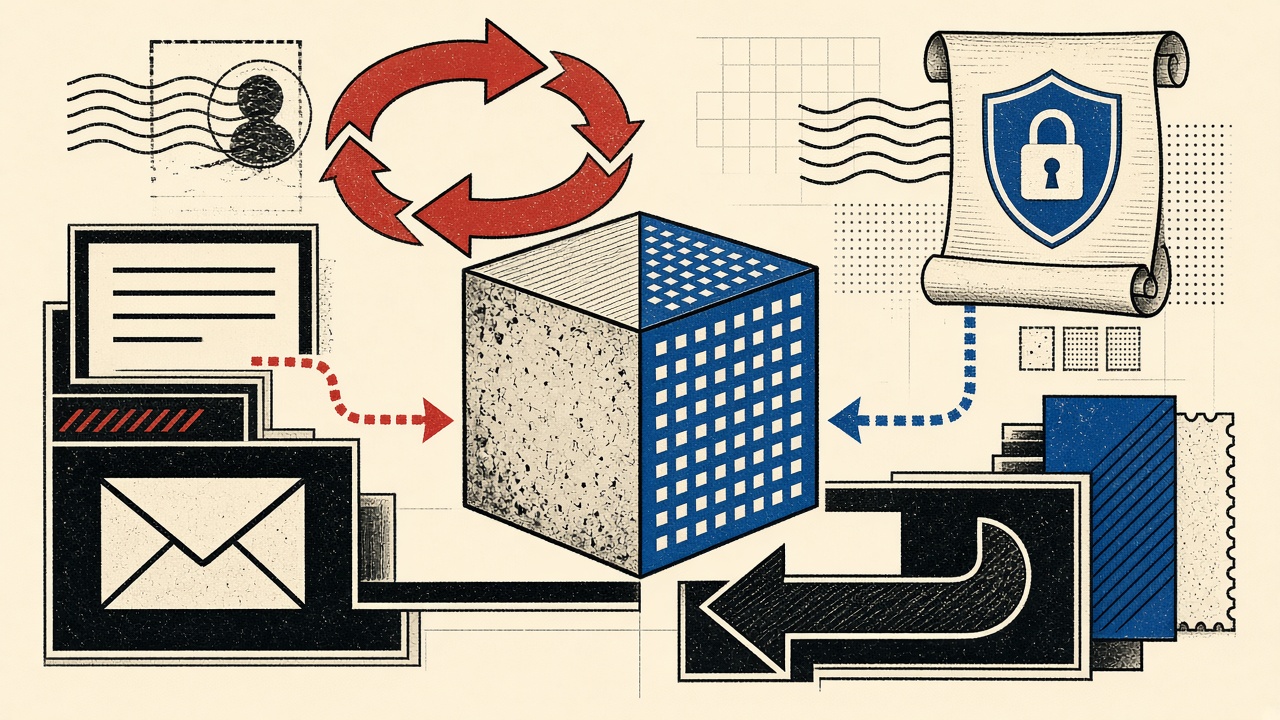
When inbound mail breaks after MX migration plus a TLS certificate change, isolate DNS cache staleness from cert mismatch hop-by-hop before you rollback.
Read guide
After an MX cutover, stale DNS caches can split inbound mail between old and new hosts—verify TTLs, query multiple resolvers, and keep dual-receive until caches drain.
Read guide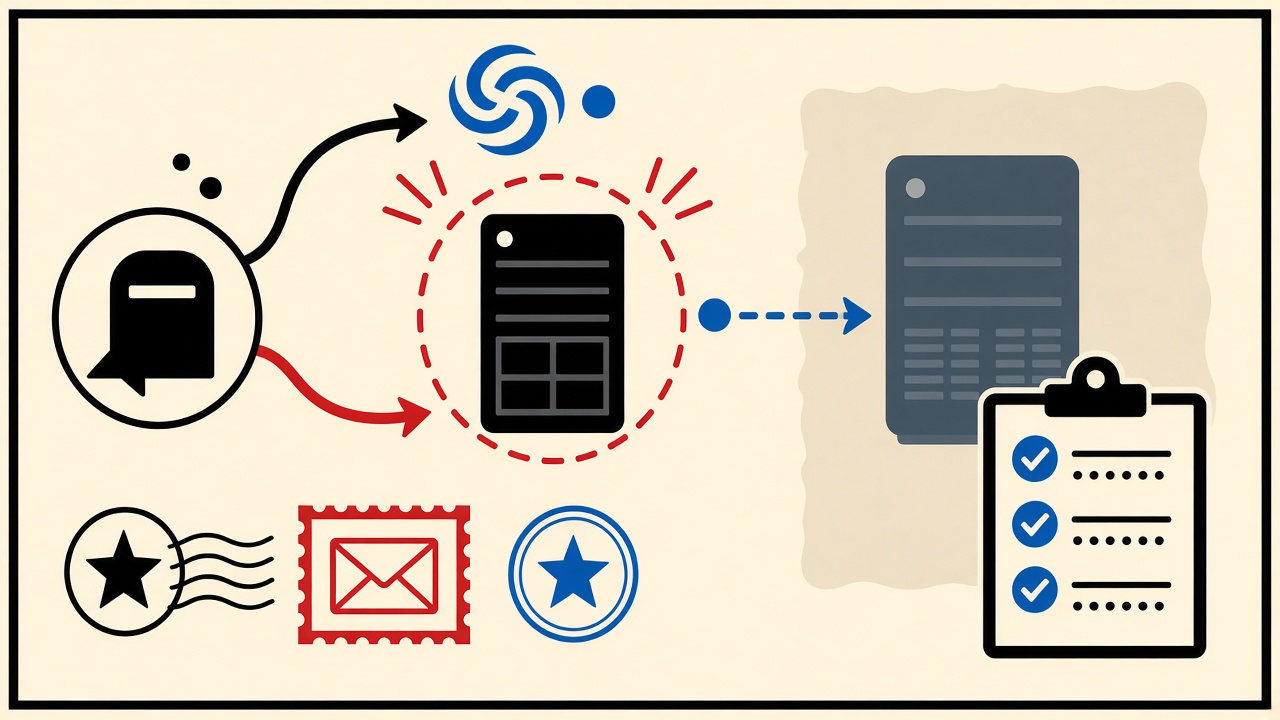
If inbound mail fails after deploy, verify MX hosts and priority with dig before touching app code—rollback DNS when the target is wrong.
Read guide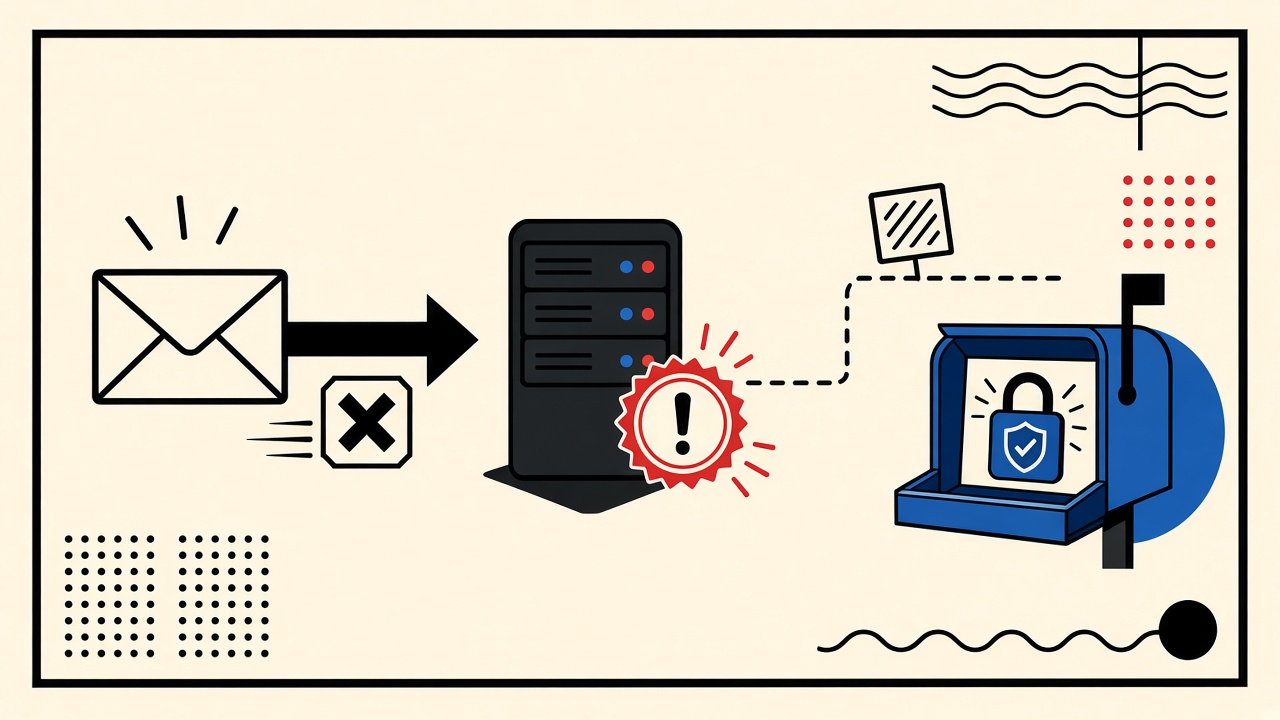
When inbound mail breaks during a TLS certificate change, verify MX targets and TLS on the mail hostname separately—then roll back the earliest wrong hop.
Read guide
If inbound mail fails after a DNS cutover, verify live MX targets with dig, compare TTL propagation, and roll back the old MX before chasing app bugs.
Read guide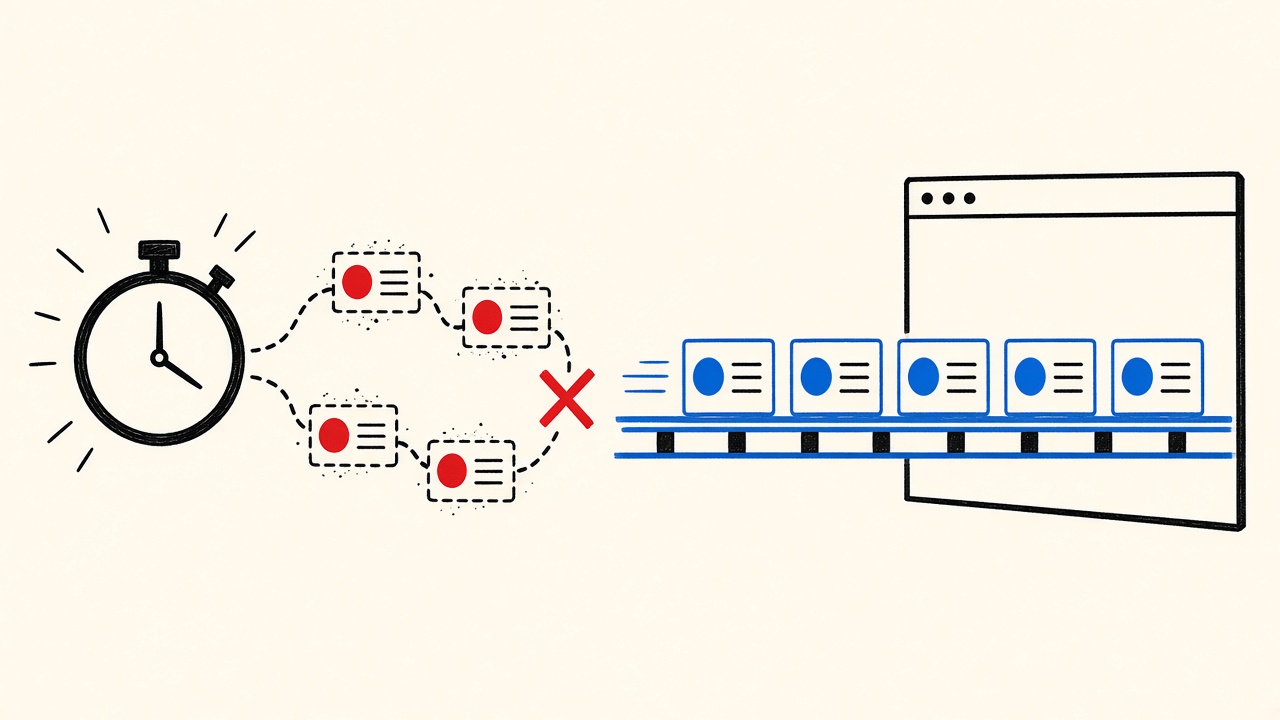
Replace fixed sleeps with event-driven waits, bounded retries, and clear teardown when Selenium tests depend on inbound OTP email.
Read guide
Stabilize Playwright OTP tests with explicit waits, single-flight resends, and teardown—not fixed sleeps against a temporary inbox.
Read guide